


MENU
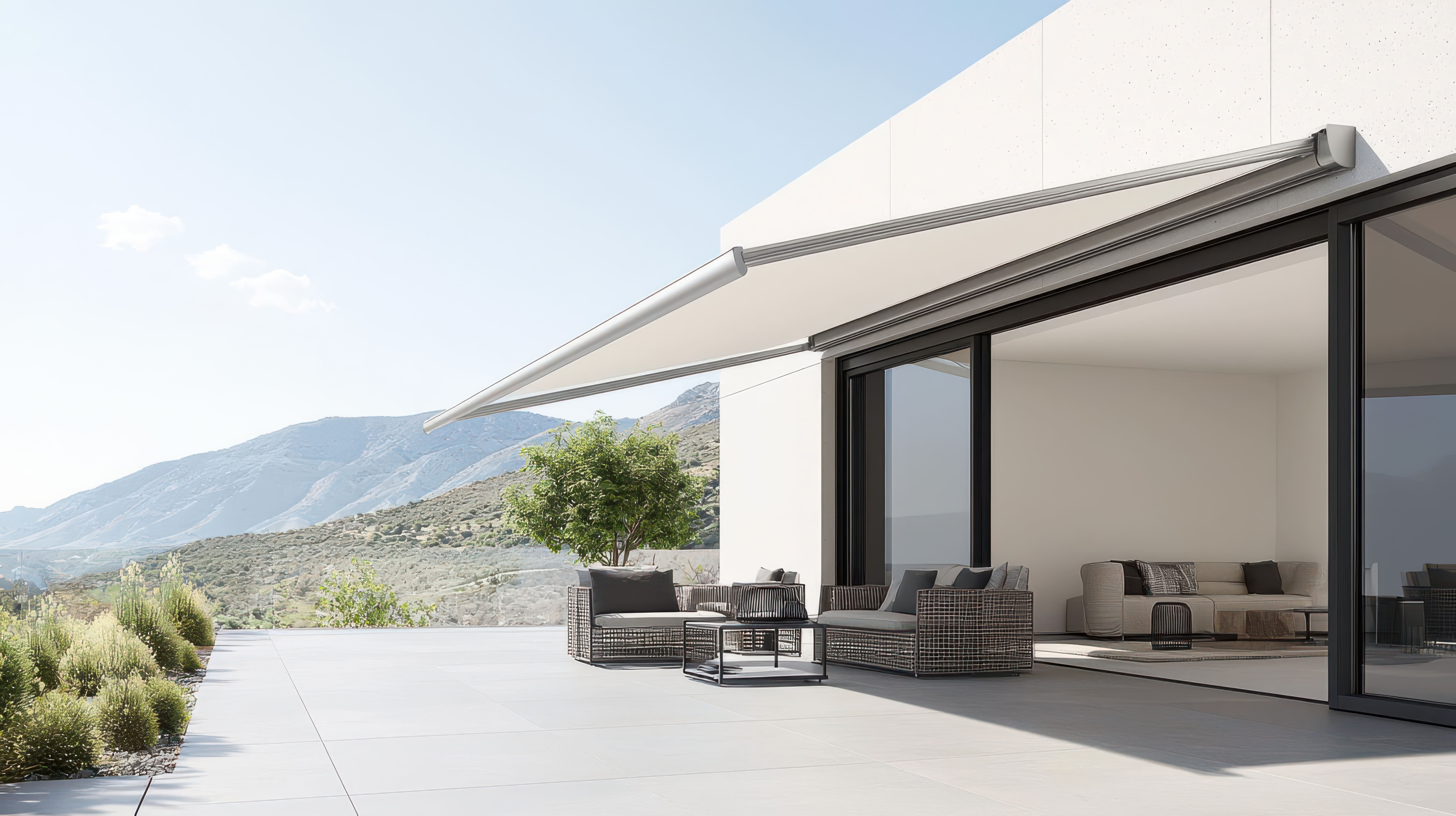
Retractable shades can be mounted three main ways: recessed, surface, or pocket. Recessed mounts sit within the window frame for a streamlined appearance, surface mounts extend beyond the frame for greater light and heat control, and pocket mounts conceal the shade assembly inside a recessed channel, typically in new construction. The best option depends on window depth, frame condition, desired light control, and project type..
Retractable shades can be mounted in three main ways: recessed mount, surface mount, and pocket mount. Recessed mounts fit within the window frame for a clean, built-in look, while surface mount extends past the frame for stronger light and heat control. Pocket mount conceals the entire shade assembly inside a recessed channel, most often in new construction. The right mounting option depends on window depth, light control needs, and whether the project is a retrofit or a new build.
Retractable shade mounting refers to how the shade's mounting brackets attach to the window frame, wall, or ceiling. That one decision shapes how much light passes through, how much privacy the shade provides, and how the finished window looks from across the room.
The same retractable shade fabric can perform very differently depending on how it's installed. A solar screen fabric mounted inside a shallow frame will leave noticeable gaps along each edge, while the same fabric mounted on the surface of the frame can block glare and heat far more effectively. This is why mounting is worth understanding before ordering, not after.
Bracket style, cassette size, and control type are all specified at the time of purchase. Chain-driven, cordless, and motorized retractable shades each interact with mounting differently. Once a shade has been cut and fitted for one mounting style, switching to another usually means starting the order over.
Recessed mount retractable shades fit neatly within the window frame. The mounting brackets attach directly to the jambs or header, so the shade sits inside the recess of the window rather than covering the surrounding wall.
This style depends heavily on window depth. Frames need enough recessed space for the retractable shade roll and brackets to sit flush, and shallower frames may cause the retractable shade or fascia to project slightly past the trim. A contractor or installer can confirm whether a specific window has enough depth for a true flush fit before an order goes in.
Homeowners tend to choose a recessed mount for a few clear reasons:
A recessed mount isn't the right fit for every window. Small gaps often appear along each side of the shade, which can let in light even when the shade is fully lowered. Window cranks, latches, or inward-opening hardware can also conflict with the brackets if the frame is tight.
These shades still block most light and add real privacy when closed. The edge gaps do make them a weaker choice for bedrooms or media rooms built around total blackout, though. Homeowners prioritizing full darkness should weigh this tradeoff before ordering.
Surface mount attaches the retractable shade brackets to the wall, trim, or ceiling above the window rather than recessing the frame itself. Because of that placement, the shade overlaps the entire window opening and often extends slightly onto the surrounding wall.
That extra coverage is the main advantage. Surface mount retractable shades block more light and heat than recessed mount because the fabric extends past the glass on every side, closing the gaps that recessed mounts tend to leave open. This makes surface mount a common choice for rooms where blackout performance or strong heat control matters most.
It also works across most window types. Standard double-hung windows, sliding patio doors, and grouped or banked windows all accommodate surface mount without much trouble. That flexibility is part of why it remains a popular default for whole-house projects.
Surface mount also solves problems that have nothing to do with light. It can visually enlarge a small window by extending fabric several inches beyond the frame on each side, which creates a bolder look in the room. It can also hide uneven or damaged window frames that would otherwise be difficult to disguise.
This flexibility comes up often in older homes and buildings where the frame itself can't be modified or replaced. Condos and older brick buildings are common examples, since the frame is frequently fixed by the building's original construction. Surface mount gives those spaces a workaround without any structural changes.
Mounting hardware for surface mount needs to handle more weight and wider spans than recessed mount brackets, particularly for taller or heavier shades. Anchoring into studs, masonry, or concrete is important for stability, especially in commercial spaces where shades cover larger openings.
Fascia and end caps are commonly added afterward to conceal the hardware and give the finished shade a clean, intentional look. Color-matched fascia can also help the shade blend with crown molding or ceiling paint. These finishing details are small, but they make a noticeable difference in the final appearance of the room.
Pocket mount installs the retractable shade's brackets into a recessed channel built directly within the ceiling or soffit. Once the shade is raised, the entire retractable tube, fabric, and hardware disappear from view, leaving a clean, uninterrupted line at the ceiling.
This mounting style shows up most often in new construction projects, where the pocket can be planned and framed before drywall goes up. It's a popular choice in homes, condos, and commercial interiors like offices and restaurants, where designers want the shade hardware to disappear entirely rather than sit visibly above the window.
A few planning details matter more with pocket mount than with any other option. The pocket's width and depth need to be confirmed early in the design process, since the bracket, tube, and fabric all need enough room to sit comfortably recessed in the channel. Motorized shades add another layer of planning, since motor heads and wiring both need to fit within that same recessed space. It's also worth including an access panel or removable cover for future service, since hardware tucked inside a finished ceiling is much harder to reach than an exposed retractable.
No single mounting option is the right choice for every window or every project. The decision comes down to window depth, light control goals, and whether the work is a retrofit on an existing home or part of new construction.
A simple way to think through it: A recessed mount tends to work well when the frame has enough depth, and the goal is a clean, built-in look with moderate light control. Surface mount makes more sense when blackout performance, heat control, or hiding a flawed frame is the priority. A pocket mount is worth considering only when construction timing allows for it, since the channel has to be planned before the ceiling is finished.
Certain situations call for a specific approach more clearly than others:
Historic homes and buildings with uneven masonry openings sometimes call for a hybrid approach. Mounting a shade surface on the frame with a small custom valance can bridge the gap between performance and the home's existing character.
Every retractable shade relies on a pair of mounting brackets sized to match the tube diameter and control system. Whether a shade is mounted recessed, surface, or in a pocket often determines which bracket style and cover system make sense for that particular window.
Control type interacts with mounting in a few practical ways. Chain-driven shades need a securely anchored tensioner to keep the chain safe and functional. Cordless spring mechanisms typically need a bit more depth to operate smoothly, so window depth and control type should be considered together rather than separately.
Motorized shades add both headroom and wiring considerations. This matters most in pocket mount installations, where wiring is often run during framing rather than added afterward once the ceiling is finished.
Homeowners considering a full smart home setup should factor motorization into the mounting decision early rather than as an afterthought. Motorized shades that connect to a smartphone app or a voice assistant like Amazon Alexa or Google Home tend to work best when the wiring and hardware were planned into the mount from the start.
Retrofitting motorization after a shade is already installed is possible in many cases, but it rarely looks as clean as planning for it up front. Homeowners who know they want smart home integration should mention it during the initial consultation, before any mounting decisions are finalized.
Texas Rolling Shutters & Screens builds its interior screens product line around exactly this kind of planning, offering Fascia Cover, Niche Cover, and Exposed Roll housing options that pair with surface, recessed, or pocket mounting depending on the window and the goals for the room. Every installation includes an in-home consultation and measurement, which helps homeowners avoid the guesswork that leads to a poorly fitted shade. Products are also backed by strong warranty coverage on motors, fabrics, and installation work.
Mounting is one of the most important decisions in any retractable shade project, and it's far easier to get right before an order is placed than after. A quick consultation can confirm window depth, frame condition, and the mounting style that will perform best for the space. Contact Texas Rolling Shutters & Screens to schedule a free consultation and get expert guidance on the right fit for any window.
Sometimes, but it depends on the shade's tube length, fabric width, and bracket style. A shade cut specifically for a recessed mount is often too narrow to look right once moved to a surface mount position. In most cases, switching mount types means ordering new brackets at a minimum, and often a wider replacement shade, especially if the goal is better blackout performance.
Shallow frames still have options. A partial recessed mount using low-profile hardware and a smaller tube can work in some cases, and switching to a surface or ceiling mount just above the frame is another common solution. Shallow metal frames in older commercial buildings often call for compact brackets mounted to the header or mullion instead of the frame itself.
Yes, mounting stability plays a real role in how quiet a shade operates. Brackets anchored into solid material like studs or masonry tend to run quietly, while loosely anchored brackets in thin drywall can rattle, particularly with larger or motorized shades. Pocket mounts and well-fitted surface mounts with fascia often feel more solid for this reason.
In a hot, sunny climate, reducing heat gain and glare is usually the top priority. Surface or ceiling mounts paired with solar fabrics that fully overlap the window opening tend to perform best on west- and south-facing windows. Recessed mounts can still perform well with high-quality solar or blackout fabric, though the small edge gaps may let in slightly more heat and light during peak sun hours.
Many standard recessed and surface mount installations on ground-floor windows are manageable for a confident homeowner with basic tools and accurate measurements. Professional installation becomes the safer choice for tall windows, ladder work above one story, multiple shades that need to align across a long wall, or any motorized system tied into a smart home setup. A professional consultation also reduces the risk of a costly re-order caused by a small measurement error.

