


MENU

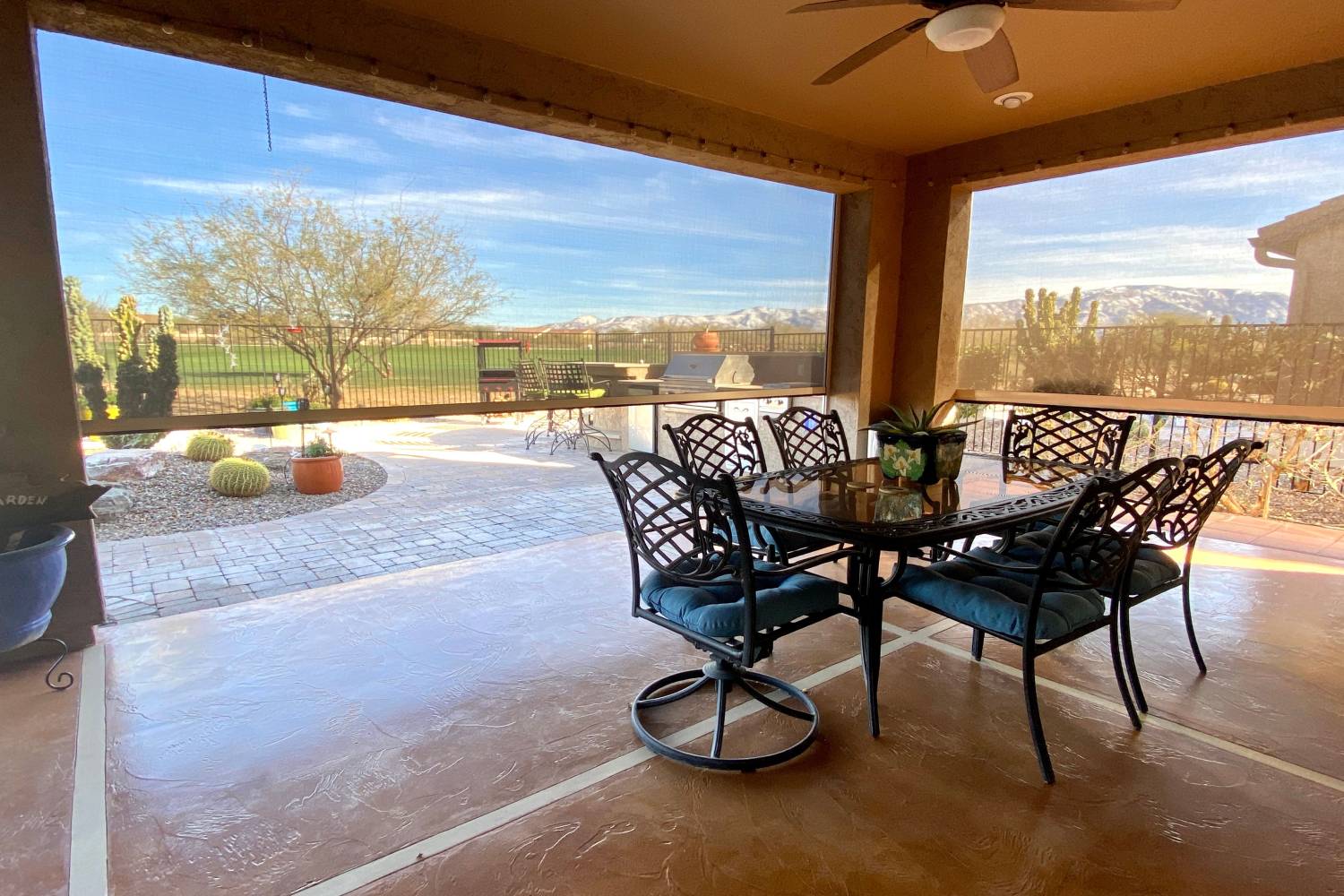
The right solar screen openness factor depends on how much heat, glare, and visibility you want to manage. Lower openness levels (1%–3%) block more sun and provide greater privacy, while higher openness levels (5%–10%) allow more natural light and maintain clearer views.
Openness factor is a measurement that describes how much open space exists in the weave of a solar screen fabric. It is expressed as a percentage. A 1 percent openness factor means 1 percent of the fabric surface is open, while 99 percent blocks light and UV rays. A 10 percent openness factor means 10 percent of the fabric is open, allowing more light and visibility through.
This number directly affects how much sunlight, heat, glare, and visibility pass through the screen. Choosing the right openness factor is one of the most important decisions when selecting solar screens for your home.
Solar screens with lower openness factors, typically in the 1 to 3 percent range, provide the strongest sun control. They block more UV rays, reduce heat gain more effectively, and offer greater daytime privacy by making it harder to see into the home from outside.
In exchange for this performance, they also reduce natural light more significantly. Rooms shaded with very low openness screens tend to feel dimmer during the day, which may be acceptable in some rooms but less desirable in others.
Lower openness screens are generally recommended for rooms that receive intense sun exposure, particularly south- and west-facing windows that take on direct afternoon sunlight.
Solar screens with higher openness factors, in the 5 to 10 percent range, allow more natural light into the home and maintain a clearer view to the outside. They still reduce UV exposure and glare compared to no screen at all, but the reduction is less dramatic than with tighter weaves.
Higher openness screens work well in rooms where natural light is valued and direct sun exposure is less intense. North- and east-facing windows typically receive less direct sun, making higher openness options more suitable in those locations.
The direction your windows face is one of the most important factors in selecting the right openness level. South-facing windows receive consistent sun throughout the day. West-facing windows take on intense afternoon sun that can cause significant heat buildup and glare. Both orientations typically benefit from lower openness fabrics.
East-facing windows receive morning sun that is less intense and shorter in duration. North-facing windows receive very little direct sun at most times of year. These orientations can often accommodate higher openness fabrics without sacrificing comfort.
Many homeowners want to reduce heat and glare without losing the view outside. This is a reasonable goal, and the right openness factor can help achieve it.
A common misconception is that lower openness screens completely block the view. In practice, most solar screen fabrics maintain reasonable outward visibility even at lower openness levels, because the weave is fine enough that the eye can still see through it from the inside. The view is reduced in clarity and color, but it is not eliminated.
Choosing a slightly higher openness level, such as 3 percent instead of 1 percent, can improve outward visibility while still providing strong heat and glare reduction for most Texas exposures.
The best way to select an openness factor is to evaluate each window individually, taking into account its orientation, the room it serves, and how the space is used throughout the day. A professional installer can walk through these factors with you and help match each window to the right fabric.
Texas Rolling Shutters and Screens offers free in-home estimates that include a review of your windows, sun exposure, and comfort goals. This allows us to recommend openness levels that will actually improve how each space feels.
Choosing the right openness factor makes the difference between solar screens that genuinely improve your comfort and screens that leave the space feeling too dark, too bright, or not cool enough.
Contact us to schedule a free estimate and get expert guidance on solar screen selection for your Texas home.
