


MENU

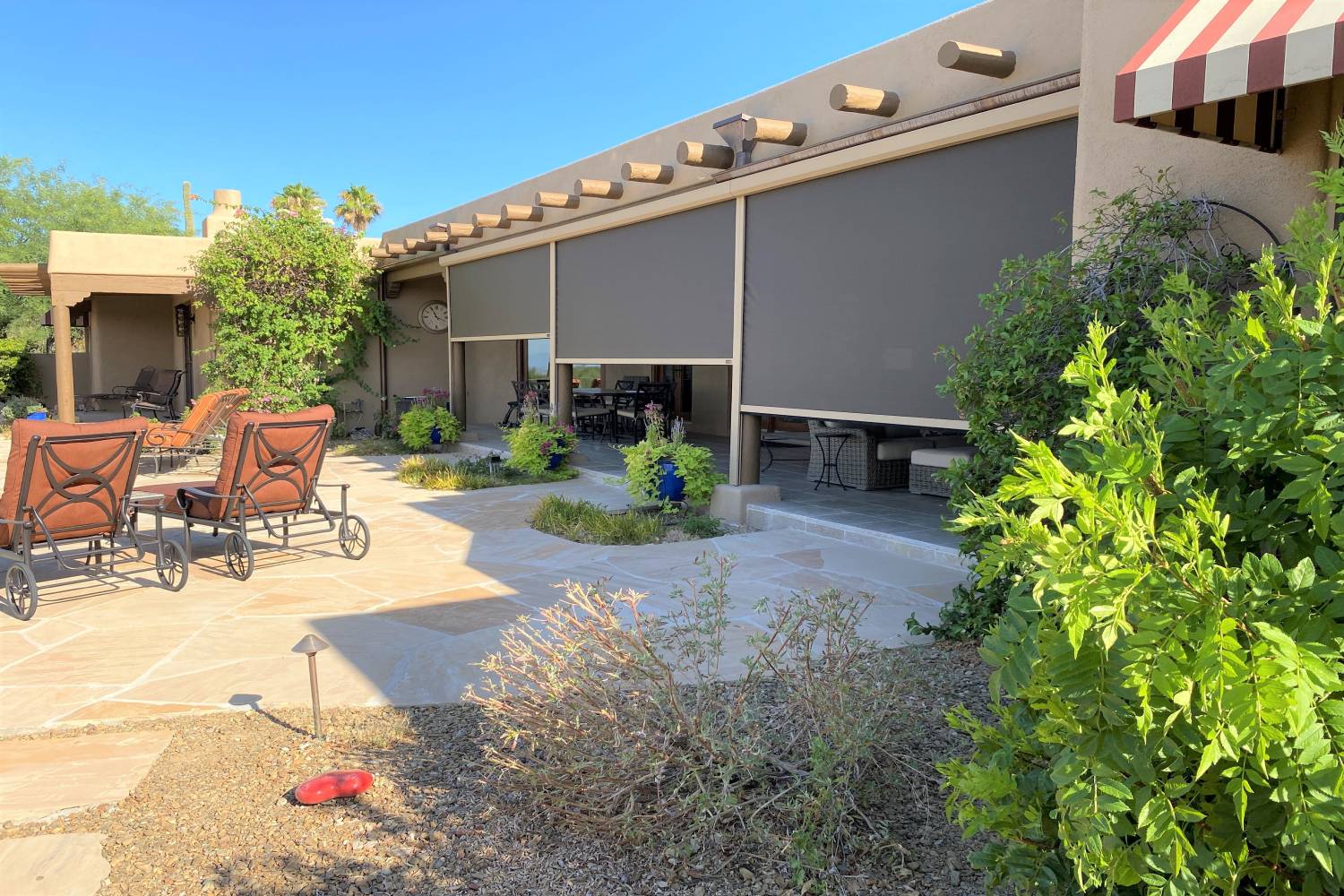
Many homeowner's associations allow solar screens, but they may require specific colors, frame styles, or documentation to maintain a consistent neighborhood appearance. With the right approach, you can improve comfort and energy efficiency while staying fully compliant.
Homeowner's associations exist to protect the appearance and value of a neighborhood. When one home makes a change that affects how the neighborhood looks from the street, the HOA has an interest in ensuring that change is consistent with community standards.
Solar screens are visible from outside the home, which means they fall within the scope of most HOA architectural guidelines. The concern is typically not about the function of the screens but about how they look. HOAs want to ensure that screens blend with the home's exterior and do not create a mismatched or inconsistent appearance when viewed from the street.
HOA rules vary significantly from one community to another, but there are several requirements that appear frequently when solar screens are involved.
Many HOAs specify that solar screen frames must match or closely coordinate with the trim, window frames, or body color of the home. Common approved colors include bronze, black, charcoal, and white. Brightly colored or mismatched frames are typically not permitted.
Some HOAs restrict the range of fabric colors permitted in the community. Neutral tones like charcoal, black, or dark brown are often acceptable because they complement most exterior color schemes without standing out.
Some communities require that solar screens on the same home look consistent with each other in terms of color, style, and frame material. Installing screens that match across all visible windows creates a cleaner, more intentional appearance.
Many HOAs require homeowners to submit an architectural review request before making exterior changes. This typically includes a description of the planned installation, photos or product samples showing the proposed frame and fabric, and sometimes a diagram of which windows will receive screens.
A well-prepared submission makes the approval process faster and reduces the likelihood of follow-up requests or denial. Most architectural review committees are looking for confidence that the proposed change will look appropriate in the community.
Useful items to include in your submission:
Submitting a thorough package upfront can shorten the review period and help the committee make a decision without needing additional information.
Some HOAs have guidelines that feel restrictive, but there is often flexibility available if you approach the process correctly. Most HOAs are open to approvals when the proposed installation is thoughtful and well-presented.
If your initial submission is denied or requires modification, ask the architectural review committee for specific feedback. Understanding exactly what needs to change makes it easier to resubmit successfully.
In some cases, homeowners who want to install screens that fall slightly outside standard guidelines can request a variance. This is not always granted, but it is worth pursuing if the screens would genuinely improve comfort without affecting neighborhood appearance negatively.
Choosing an installer with experience in HOA communities can simplify the process. Experienced installers understand which frame colors and fabric options are most commonly approved, and they can help prepare documentation that meets typical review requirements.
Texas Rolling Shutters and Screens has worked with homeowners in HOA communities throughout Texas. Our team can help you select screen options that are both effective and likely to receive HOA approval, and we can assist with preparing the documentation you need.
Solar screens can make a real difference in how comfortable and energy-efficient your home is. With the right product selection and a straightforward approval process, most homeowners in HOA communities can install them without difficulty.
Contact us to schedule a free estimate. We will help you choose solar screens that work for your home and meet your community's guidelines.
